April 20, 2026
Installing a well pump is a critical step in ensuring a reliable and efficient water supply for your home or business. With millions of households depending on well systems, choosing the right pump and understanding the installation process can make a significant difference in performance, longevity, and cost. From selecting the appropriate pump type and evaluating well depth to assessing water quality and planning for maintenance from a well pump company, each factor plays an essential role in creating a dependable system. By taking the time to understand these key considerations, property owners can avoid costly mistakes and ensure their well pump operates efficiently for years to come.
1. What Type of Well Pump Do You Need?
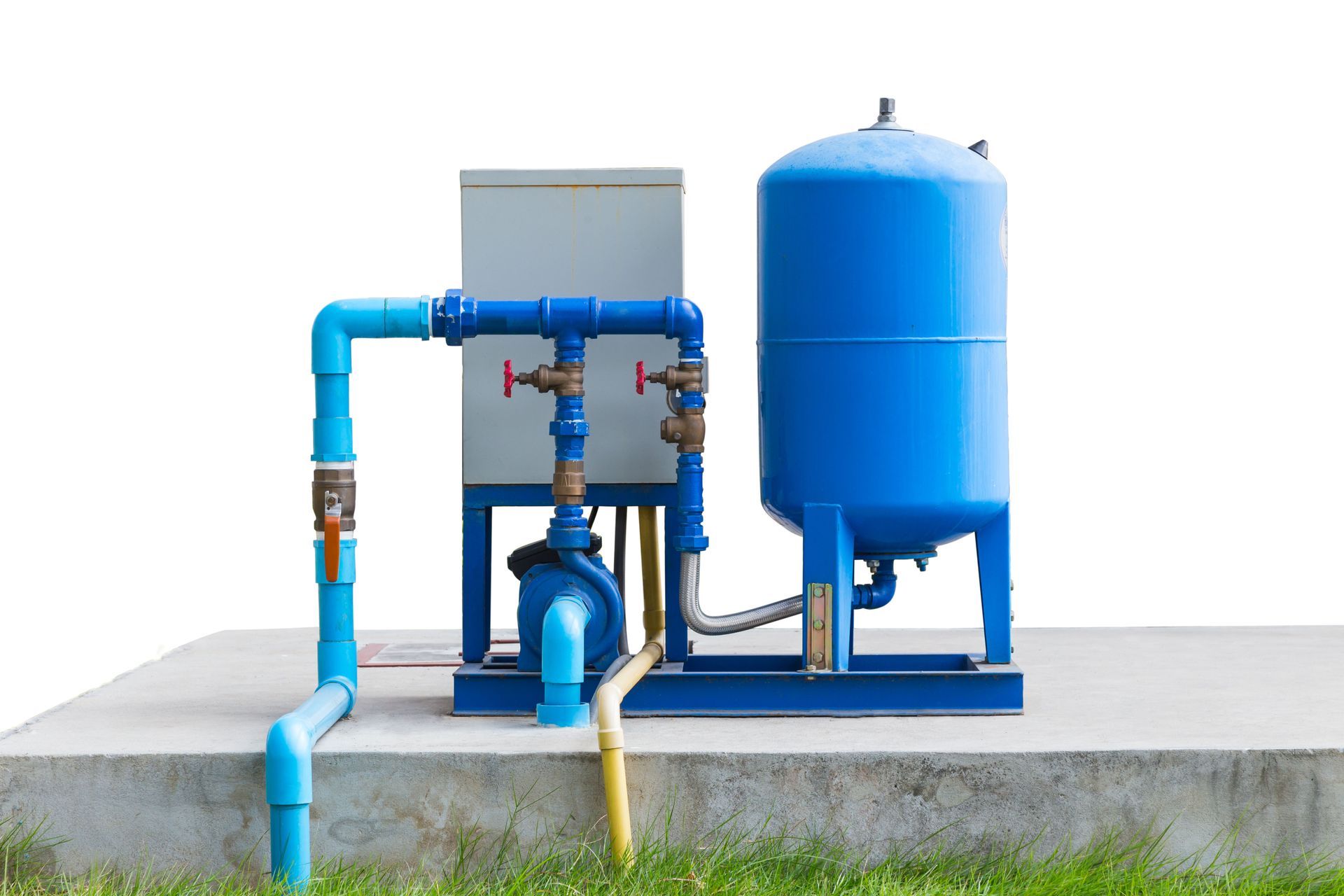
The first step in installing a well pump is determining the type of pump that suits your needs. There are primarily two types of well pumps: submersible pumps and jet pumps. Submersible pumps are often preferred for deeper wells, as they operate underwater and push water to the surface. On the other hand, jet pumps are typically used for shallower wells. Understanding the differences between these pumps is essential to ensure that you choose the correct one for your specific requirements.
Pump capacity and power are critical factors when selecting a well pump. The capacity of a pump refers to the volume of water it can move in a specified time, and it's crucial to match the pump's capacity with your household or commercial needs. An overpowered pump can lead to higher energy costs, while an underpowered one may not provide sufficient water pressure. Furthermore, if your needs are commercial rather than residential, you might require a pump with greater power and durability. Evaluating your required water volume and pressure ahead of time can prevent future operational issues.
Another vital consideration is energy efficiency and cost. While some pumps may have a lower initial cost, poorly designed units can lead to high operational costs. More than 13 million households in the US use wells for their water supply, and energy-efficient solutions can significantly reduce long-term expenses. Additionally, choosing a reliable brand and model can often save on maintenance costs from a well pump company and offer better longevity. Reading reviews and consulting with professionals can be beneficial in making an informed choice.
2. What is the Depth of Your Well?
Accurately measuring the depth of your well is a crucial aspect of selecting the right pump. While it might sound straightforward, well depth affects the type of pump needed, as deeper wells often require more powerful pumps. Tools like a measuring tape or a weighted string can be used to determine the depth. Knowing the static water level is also important, as it indicates the distance between the ground and the water surface. This information is vital to ensure the pump can operate efficiently without being overburdened.
The depth of your well directly influences pump choice due to the physics involved in moving water upwards. Submersible pumps are generally better for wells that exceed 25 feet in depth. In contrast, jet pumps are efficient and economical for shallower wells. Understanding the specialized requirements of your well depth can guide you in selecting the most appropriate pump. Closed-loop systems might also be considered for highly variable depths or specific needs.
Considerations about drawdown and recovery rates are also essential when dealing with well depth. Drawdown is the amount of water level drop during pumping, while recovery rates indicate how quickly the water level returns after pumping ceases. Failure to account for these factors might lead to inefficient pump operation or even well failure. Additionally, for wells with variable depths, advanced systems that adjust automatically can handle fluctuating water levels. Consulting with a well pump company can provide better insights into these dynamic aspects.
3. What is the Water Quality?
Understanding the quality of your water is another essential factor when installing a well pump. Water testing for contaminants such as bacteria, nitrates, and minerals is critical to ensure safe consumption and use. Tests can be done through kits or by employing professional services. The results can also influence the type of pump you choose, as certain contaminants may corrode materials, requiring more robust models. High-quality water reduces maintenance needs and extends the pump's lifespan.
Water quality has a direct impact on the longevity and efficiency of your pump system. Contaminated or hard water can lead to corrosion or scaling, significantly reducing pump life and efficiency. Implementing filtration and treatment options can mitigate these risks. In residential settings, more than 13 million households using well water must be vigilant about these considerations. Evaluating water quality before installation allows for informed decisions that could prevent future complications.
Considering corrosion and maintenance needs based on water quality can prevent costly repairs. Hard water often leads to sediment buildups, which impede the pump's operation and efficiency. Regular inspections can help identify wear and tear early on, making maintenance tasks more manageable and less frequent. With proper filtration and preventive measures, maintenance demands from a well pump company decrease significantly. Keeping a keen eye on these factors results in a cost-effective and reliable water system.
4. What Are the Installation Requirements?
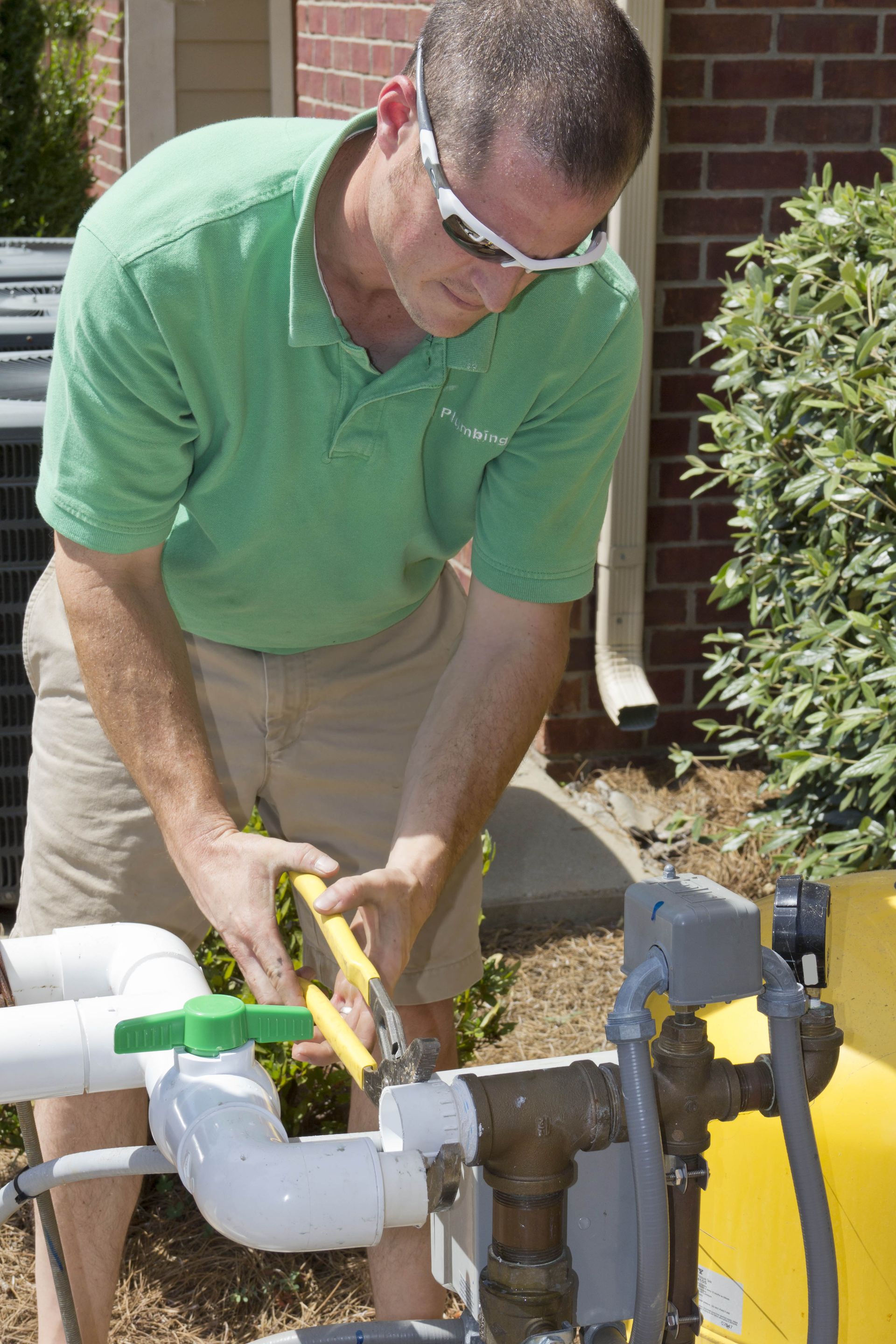
The decision to opt for professional installation versus a DIY approach involves weighing various factors. While DIY installations might save initial costs, they are often complex and require specialized tools. A well-installed pump is crucial for optimal operation, and professionals offer expertise, ensuring installations meet industry standards. Permitting and legal considerations should also be researched, as regulations vary by location. Professional installers usually manage these aspects, making the process seamless.
Another important consideration is the timeframe for installation, which depends on the installation complexity and contractor availability. Understanding potential disruptions can help prepare for temporary water needs. Advanced scheduling, even when opting for professionals, prevents prolonged water shortages. Safety precautions are mandatory for any installation, safeguarding against injuries and defects. Proper tools and knowledge are essential, even in DIY scenarios, necessitating a comprehensive understanding of equipment and procedure.
Potential disruptions such as noise, excavation, and temporary roadblocks should be considered when planning the installation. Home readiness is vital for minimizing discomfort to inhabitants and ensuring safety. With more than 13 million households using well systems, according to Moving.com, creating awareness of these prerequisites can enhance the installation experience. Additionally, addressing legal and permitting considerations in advance eliminates potential bottlenecks. Consulting with local authorities and agencies helps clarify any location-specific requirements.
5. How Will the Pump Be Maintained?
Routine inspections are vital to prevent pump issues and ensure longevity. A comprehensive checklist includes checking system pressure, examining components for wear, and clearing debris. Regular maintenance from a well pump company can drastically reduce unexpected failures and costs. Identifying early signs of wear, such as changes in noise or function, can prevent extensive damage. With professional advice, routine maintenance becomes streamlined and cost-effective, protecting your investment.
Knowing when to hire a professional versus self-maintaining can affect system efficiency. Full annual inspections by a certified well pump company can augment regular maintenance and identify potential problems early. While many routine tasks can be DIY, certain functions, like motor tuning or intake troubleshooting, may require specialized skills.
If you’re planning to install or upgrade a well pump, don’t leave it to guesswork. Consult with a well pump company like Connor Well & Pump to evaluate your needs, recommend the right equipment, and ensure proper installation. Take the first step today toward a dependable water supply and long-term peace of mind.