June 8, 2026
As a homeowner relying on a private well, few things are as disruptive as turning on your kitchen faucet or shower and receiving only a weak trickle—or worse, absolutely nothing at all. When your water system fails, you are suddenly faced with a critical decision that impacts both your household comfort and your wallet: should you repair your existing machinery, or is it time to invest in a complete overhaul?
Understanding Your Current Well System
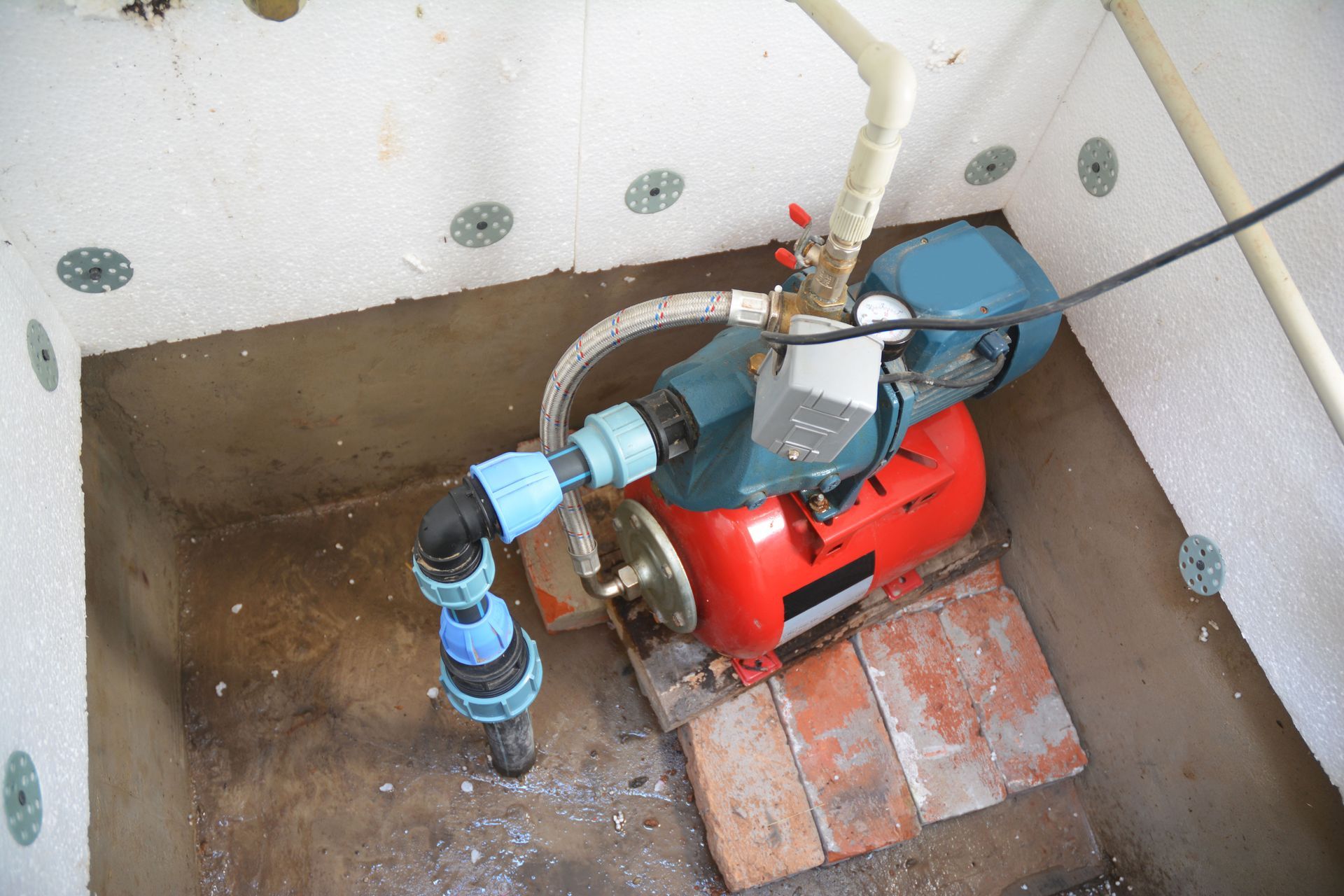
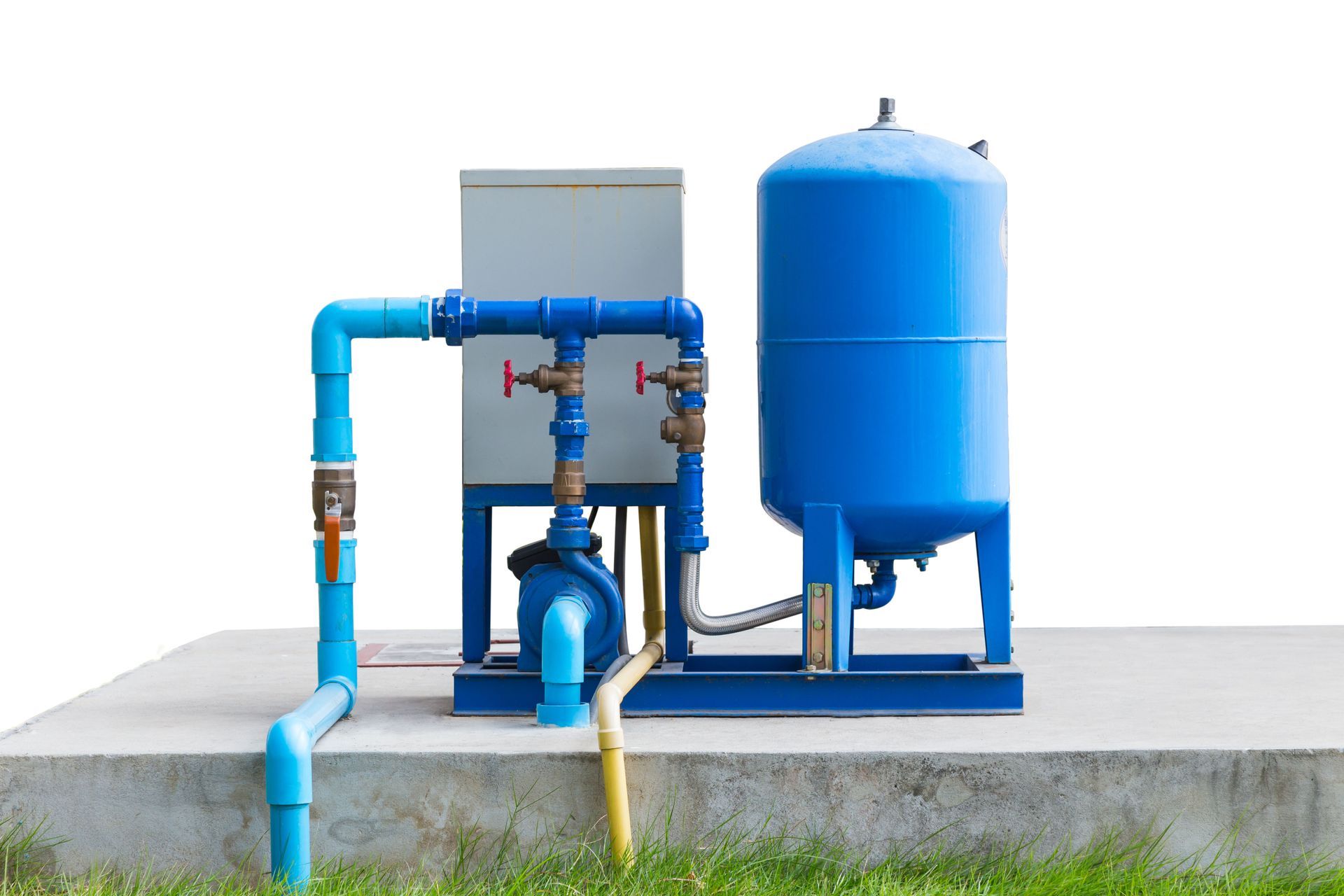
Before diving into the financial and technical comparisons, it helps to understand the scope of the infrastructure supporting your home. Modern residential water systems rely on a complex network of components working in harmony. The health of your system depends heavily on regular upkeep and professional intervention when things go wrong.
The Role of Well Maintenance
Preventive care is the foundation of a long-lasting water system. Routine well maintenance allows professionals to catch minor mechanical issues before they escalate into catastrophic failures. During a typical maintenance check, technicians evaluate electrical connections, test pressure switches, and ensure the storage tank is operating within its optimal parameters. Neglecting this crucial step often accelerates the timeline toward needing an unexpected pump replacement.
The Scope of Well Repair
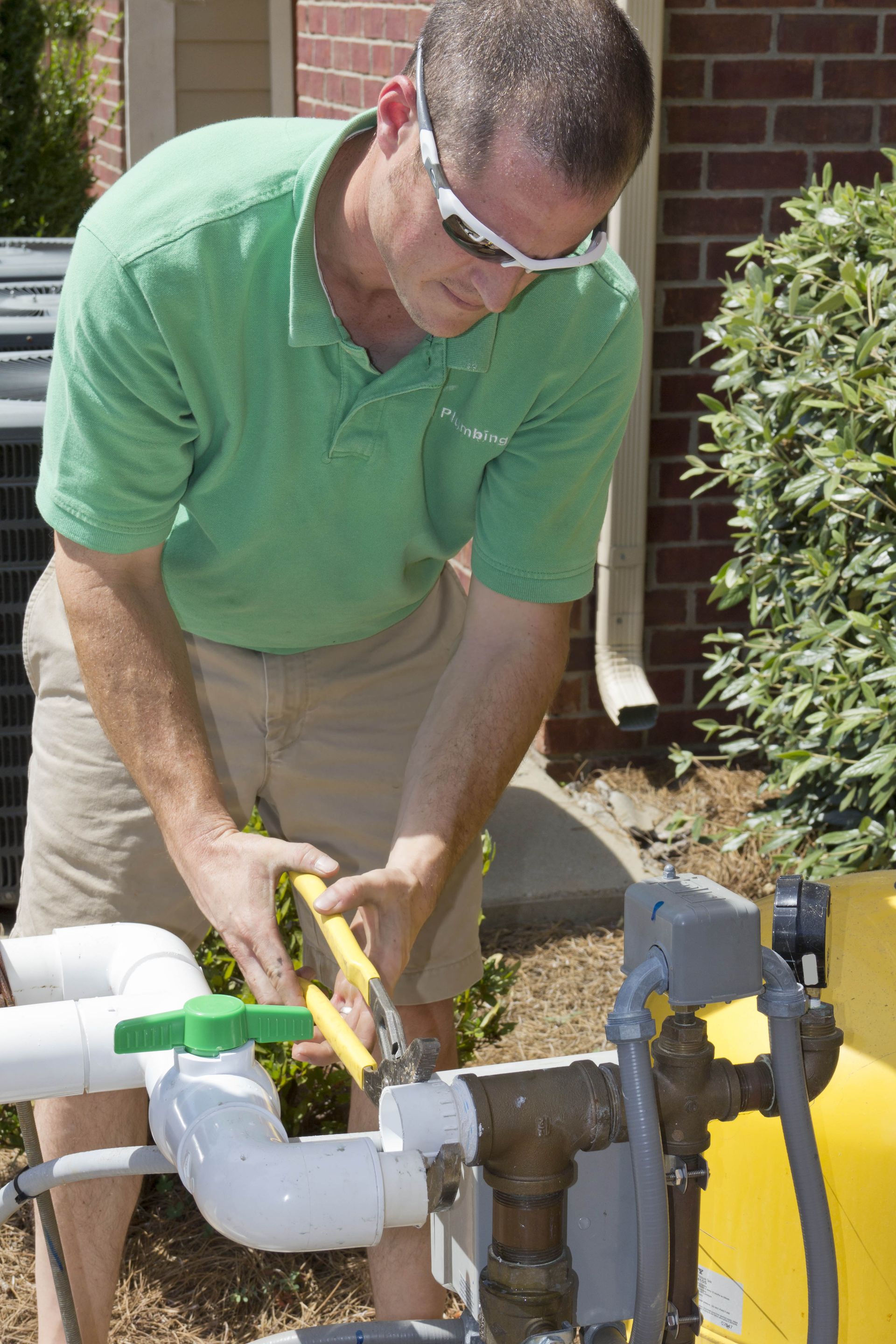
When a component malfunctions, it does not always mean the entire system is doomed. Dedicated well repair services can address isolated failures. If your motor burns out prematurely due to a power surge, or if a single control box component fails, targeted fixing is often the quickest way to restore your water flow without the expense of a total system overhaul.
The Process of Well Pump Installation
When a system reaches the end of its functional lifespan, a brand-new well pump installation becomes necessary. This process involves pulling the old unit from the ground, assessing the condition of the drop pipe and electrical wiring, and precisely sizing a new model to match your well's depth and your household's unique water demands.
Evaluating the Age of Your System
One of the most reliable indicators in the choice between fixing and swapping your equipment is the age of the current unit. Submersible units and above-ground jet models are engineered to endure harsh conditions, but they do not last forever.
Reviewing Lifespan Expectations
On average, a standard residential submersible model operates efficiently for 10 to 15 years, while jet models may need attention slightly sooner. If your equipment is less than five years old and experiences a sudden failure, investing in focused troubleshooting is usually the most logical path forward.
Recognizing Signs of Old Age
Conversely, if your machinery is approaching or exceeding the 15-year mark, recurring mechanical failures are a sign of systemic wear. In this scenario, choosing a complete pump replacement is a wiser long-term strategy. Investing money into repairing a unit that is already past its prime often yields diminishing returns, as other aging components within the unit are likely to fail shortly thereafter.
Analyzing the Costs of Fixes Versus Overhauls
Financial considerations play a massive role in how homeowners handle property maintenance. When evaluating your budget, it is important to look past the immediate upfront costs and consider the total cost of ownership over the next decade.
Balancing Immediate Expenses
The immediate price tag of replacing a component is almost always lower than buying an entirely new unit. If a professional technician can restore your water supply by simply swapping out a faulty pressure switch or an electrical relay, the bill will be a fraction of the cost of a new installation.
Weighing Long-Term Value
However, if the repair requires pulling a deep submersible unit to replace an internal motor, the labor costs accumulate rapidly. A good rule of thumb utilized by industry professionals is the "50% Rule." If the cost of fixing your current machinery exceeds half the price of a brand-new well pump installation, your money is better spent on a total upgrade.
The global demand for reliable water infrastructure reflects these shifting consumer preferences toward modern, efficient systems. According to Grand View Research, the global pumps market size is projected to reach $89 million by 2033. This steady growth highlights how vital dependable water technology remains on a global scale, encouraging manufacturers to continuously improve the efficiency and durability of new equipment. Opting for a comprehensive pump replacement allows you to take advantage of these modern engineering advancements.
Monitoring Performance Signs and Symptoms
Your water system will usually communicate its internal distress before failing completely. Paying attention to these warning signs can prevent a minor inconvenience from turning into a household emergency.
Observing Fluctuations in Water Pressure
If your showers suddenly lose pressure when a washing machine is running, or if the water flow surges and drops unpredictably, your machinery is struggling to maintain equilibrium. While this can sometimes be resolved with standard well repair techniques—such as adjusting the pressure tank air bladder—it frequently points to a degraded internal impeller that can only be resolved through a full pump replacement.
Tracking Escalating Energy Bills
An unexpected spike in your monthly electricity bill is a classic symptom of mechanical inefficiency. When internal components wear down, the motor must run longer and work twice as hard to move the same volume of water into your home. Upgrading to a new model resolves this hidden drain on your finances.
Listening to Unusual System Noises
A healthy water system should operate relatively quietly. If you begin hearing loud clicking, rattling, or grinding noises coming from your well housing or basement utility room, components are physically failing. Continuous clicking often indicates that the system is "short-cycling," a destructive cycle of rapid turning on and off that destroys motors and necessitates an immediate pump replacement.
Factoring in Convenience and Response Times
When you are living without running water, every hour counts. The logistics of your service provider can heavily influence which option makes the most sense for your immediate situation.
Requesting Fast Response Times
When a crisis hits, you cannot afford to wait days for an inspection. Homeowners should look for service teams that prioritize fast response times to assess the damage immediately. A quick diagnosis prevents secondary damage to your well infrastructure and gives you clarity on your options.
Utilizing Same-Day Service
In many instances, fixing an existing unit requires sourcing highly specific, older parts that may no longer be in production or readily available on a technician's truck. If components must be backordered, your home could be left without water for days. Choosing a standard pump replacement often allows technicians to utilize same-day service, as modern, standardized models are kept fully stocked and ready for immediate deployment.
Relying on Free Quotes
To make the best choice without financial pressure, look for service providers that offer free quotes. Having a transparent, line-item breakdown of what a fix will cost versus what a new installation will cost allows you to make an objective decision based on facts, rather than panic.
Ultimately, choosing between repair and replacement comes down to age, frequency of breakdowns, and cost. If your system is young and has an isolated issue, a targeted repair will quickly get your household back on track. However, if an aging unit frequently leaves you without water and drives up your energy bills, it is time to break the cycle. Investing in a professional
pump replacement eliminates the stress of unpredictable breakdowns and secures a stable water supply for your home's future. If you have been having issues with your pump, contact Connor Well & Pump today, where our expert technicians can help you determine what course of action is right for you.